
Quick Summary
A fine art wedding photographer treats your wedding as a visual story, using a clear artistic vision, soft timeless imagery and deliberate composition. The goal is pictures that still feel like you in twenty years, not images that look like a passing trend. Fine art blends documentary honesty with composed, painterly frames.
- The fine art label is not regulated, so judge the full gallery rather than the wording on a website.
- Fine art photographers still capture real emotion as it unfolds rather than posing everything.
- Fine art sits between documentary honesty and composed, painterly images.
- Ask to see full wedding galleries and check how the day is covered, from getting ready through the reception.
- Confirm film delivery timelines in writing before booking, since film turnaround can run several weeks.
Table of Contents
- Fine Art vs. Traditional, Documentary and Editorial Approaches
- Documentary Style Wedding Photography: What It Captures
- Fine Art Editorial Wedding Photography and Storytelling
- Film Style Wedding Photography and Film-Inspired Editing
- What a Fine Art Approach Looks Like Across Your Wedding Day
- Reasons to Hire a Fine Art Wedding Photographer, and Who May Not Need One
- Pros, Cons and Pricing Considerations
- How to Vet a Photographer: A Checklist and Questions to Ask
- Booking Your Fine Art Photographer in Colorado
- Frequently Asked Questions
What Fine Art Wedding Photography Actually Means
Fine art wedding photography is a style where the photographer treats your wedding as a visual story, shaped by a clear artistic vision, soft and timeless imagery, and deliberate composition. The goal is pictures that still feel like you in twenty years, not ones that look like a trend from the year they were taken. Hillary Moore Weddings works this way, with a focus on storytelling and candid action.
The phrase gets used loosely, so it helps to be precise. A fine art wedding photographer usually cares about light, color, and composition as much as the moment itself. They are looking for a frame that holds up as a print on a wall, not just a quick snapshot for a phone screen. That does not mean the photos are posed or stiff. In practice, a fine art approach still depends on capturing real emotion as it unfolds.
Here is a useful way to think about it: the photographer is an editor as well as a witness. For a detailed breakdown of what wedding photography typically costs in Colorado, see the average cost of wedding photography in Colorado. They choose the angle, the light, and the moment that best tells your story. Couples who want that kind of intention often find the gallery feels more like a collected body of work than a file dump of several hundred near-identical frames.
Watch out: the label “fine art” is not regulated, so anyone can use it. Judge the work by the full gallery you are shown, not by the word on the website.
Fine Art vs. Traditional, Documentary and Editorial Approaches
Wedding photography styles overlap more than their names suggest, but the emphasis differs. Traditional photography focuses on a set list of posed family and group portraits, documentary work records events as they happen with minimal direction, and editorial work borrows the look of a magazine feature. Fine art sits between these, blending documentary honesty with composed, painterly images.
The table below summarizes the main differences so you can compare them against what you want from your day.
| Style | Main Focus | Typical Look | Best For |
|---|---|---|---|
| Traditional | Posed portraits and family groupings | Clean, classic, formal | Couples who want every relative in the frame |
| Documentary | Unposed events as they happen | Natural, real, unfiltered | Couples who value authentic, unscripted moments |
| Editorial | Magazine-style storytelling | Styled, graphic, bold | Couples with a strong design sense |
| Fine art | Storytelling with artistic intention | Soft, timeless, composed | Couples who want images that age well |
The distinction is about priority: a fine art photographer will usually still deliver the family photos, but the rest of the day is shot with a clear visual point of view.
Documentary Style Wedding Photography: What It Captures
Documentary wedding photography aims to record what happened without arranging it. Candid moments, real reactions, and the unscripted flow of the day are the core of the work. For more ideas on capturing candid wedding photos that feel real, explore these examples. Hillary Moore Weddings credits this approach to an instinctive sense of the moment, which lets the narrative develop as it happens.
The strength of the documentary approach is honesty. A guest wiping away a tear during a toast or a child running across the dance floor is hard to stage, and those are often the images couples return to most. The risk is that a purely documentary gallery can feel scattered if the photographer does not bring a point of view to what they choose to keep.
Many couples find the best result comes from combining the two: a documentary eye for real emotion, guided by the composition and light that fine art work emphasizes. Ask any photographer you are considering how they balance the two in their own galleries.
Fine Art Editorial Wedding Photography and Storytelling
Editorial wedding photography borrows from fashion and magazine work, with strong styling, deliberate posing, and bold framing. Fine art editorial work keeps that visual polish but stays rooted in authentic emotion, so the images feel curated rather than staged. Storytelling is what ties the two together: each frame should advance a clear narrative about your relationship and your day.
For a couple planning a wedding in Colorado, this often means using the landscape as part of the story. Mountain light, open meadows, and rugged terrain can frame the couple without overwhelming them. The photographer’s job is to make sure the setting supports the people in the photo rather than competing with them.
When you review a photographer’s work, look for a consistent visual thread across different locations and times of day. That consistency is usually a sign of a deliberate editorial approach rather than luck.
Film Style Wedding Photography and Film-Inspired Editing
Film style photography aims for the soft grain, warm tones, and gentle contrast associated with analog film. Both paths can produce timeless results, but they behave very differently on a wedding day, and the difference shows up in your gallery, your timeline, and your invoice.
Start with what is actually being shot. A photographer may be fully digital, fully analog, or hybrid. In a hybrid workflow, the primary coverage is digital and film is reserved for selected moments, portraits, details, quiet interludes, because film is slow, expensive per frame, and unforgiving of exposure error. That constraint is part of the appeal: fewer frames, more intention.
The trade-offs are concrete.
Ask specifically how the photographer handles consistency. If part of the day is film and part is digital, the editing has to bridge the two so the gallery does not look like two different weddings stitched together. Ask to see a full gallery that includes both, not just a highlight reel of the most dramatic frames.
Watch out: film turnaround can run several weeks after the wedding once processing and scanning are complete, so confirm the delivery timeline in writing before you book, especially if you need images for announcements or a parent album.
Budget matters here too. Ask whether film costs are bundled into the package or billed separately, and how many rolls are included. For current rates and what each package includes, see the Hillary Moore Weddings pricing page or request a quote.
What a Fine Art Approach Looks Like Across Your Wedding Day
A fine art approach shows up at every stage of the day, not only during the ceremony. Getting ready photos often capture the quiet build-up, with details like rings, shoes, and florals arranged with care. The ceremony focuses on emotion and the exchange of vows, while the reception offers candid energy and the first dance.
Timing matters more than many couples expect. Family portraits take longer than planned because people need to be found and gathered. Post-ceremony moments, when guests rush in to hug the couple, also need room in the timeline. Start timeline planning with what matters most to the couple, such as cocktail hour with guests or quiet minutes together, so the photographer can capture those moments as they happen rather than rushing past them.
At Hillary Moore Weddings, we also help organize the logistics that support the photography. That can include a realistic photo timeline and planning family groupings so the formal portraits run smoothly, with couples and bridal party pictures scheduled from 3 to 4:45.
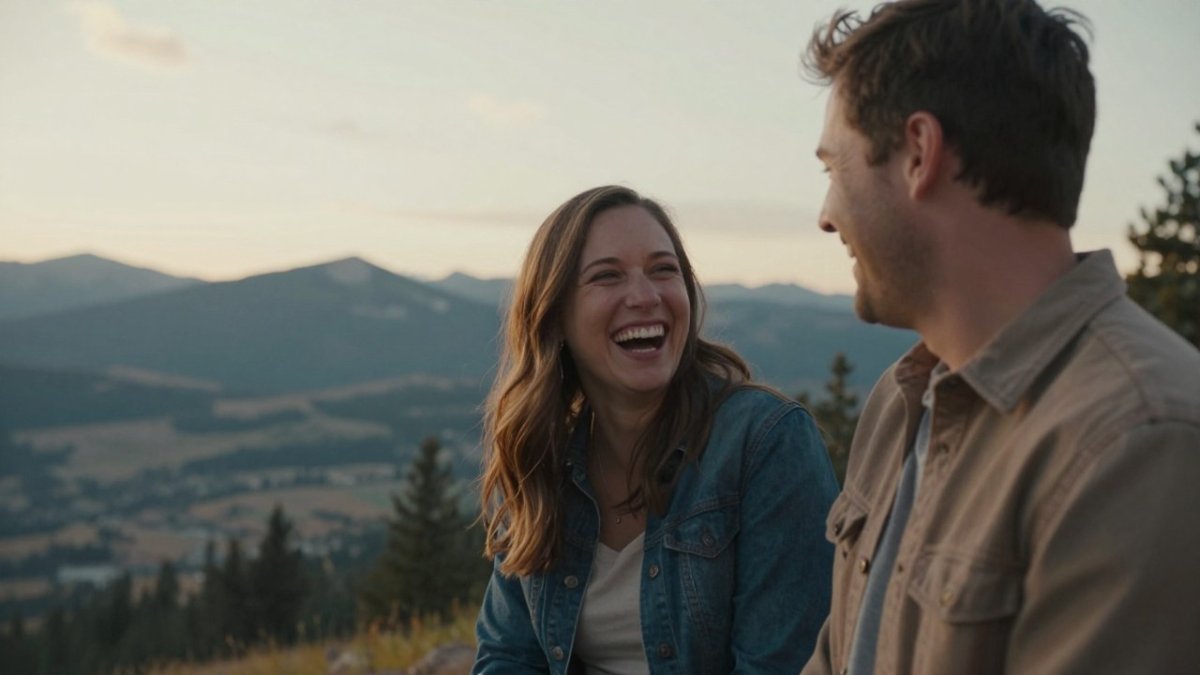
Reasons to Hire a Fine Art Wedding Photographer, and Who May Not Need One
A fine art photographer is worth considering if you want images with a distinct visual identity and a clear narrative.
It is not the right fit for everyone. If your priority is a long list of formal group portraits, a traditional photographer may serve you better. Couples planning a very small elopement may also find that a simpler package covers their needs. Budget is a real factor, and the cost depends on the date, the length of coverage, and the deliverables, so contact Hillary Moore Weddings for current pricing rather than relying on estimates.
If you feel camera-shy, that is worth raising early. You can learn practical ways to help camera-shy couples relax in photos before the day. A good photographer should be able to draw out natural expression, and it helps to talk through what makes you comfortable before the day.
Pros, Cons and Pricing Considerations
Choosing a fine art photographer involves clear trade-offs. The main advantages are a consistent visual style and a focus on storytelling. The drawbacks are that a more curated approach may not show every guest.
Pricing is where most couples get stuck, because fine art wedding photography is usually quoted as a custom package rather than a menu price. Pricing depends on factors such as the date, coverage hours, travel, and delivery details.
Think in terms of deliverables rather than a single number. Ask what the package includes: how many hours of coverage, how many edited images, whether a second shooter is included, whether engagement portraits are bundled, and whether an album or print credit is part of the price.
A practical way to compare quotes is to normalize them.
Watch out: check what a quote includes, such as a second shooter, film costs, or album production, before you compare.
Because these details vary by date and location, pricing is best confirmed directly. For current rates and what each package includes, see the Hillary Moore Weddings pricing page or request a quote.
How to Vet a Photographer: A Checklist and Questions to Ask
Vetting a photographer is about confirming that their work matches what you want. Use this checklist when you review options:
- Ask to see a full wedding gallery, not just a portfolio of favorite images
- Check how the gallery covers the day, from getting ready through the reception
- Look at how much of the gallery shows guests if seeing friends and family matters to you
- Review ceremony and toast reactions, in-between moments, and the dance floor
- Ask for a gallery from a wedding with a setting or feel similar to yours
- Ask yourself whether you would be excited to have these photos of your own people
Some questions to ask directly:
- How do you handle timelines, and how much time do you suggest for family portraits?
- How hands-off are you during the ceremony?
- How do you approach travel and scouting for destination weddings in Colorado?
- What does your delivery timeline look like, and what is included?
A good photographer will answer these openly and show you full galleries without hesitation.
Booking Your Fine Art Photographer in Colorado
If you are ready to book a fine art wedding photographer in Colorado, start by reviewing the Hillary Moore Weddings services page to see what coverage and packages include. Then request pricing and availability to get a quote for your date and location.
Hillary Moore Weddings brings more than a decade of experience and a focus on storytelling, candid action, and the landscapes of Colorado. Whether you are planning a full celebration or an intimate elopement, the goal is the same: timeless images that tell the story of your day as it happened.
Frequently Asked Questions
What is fine art wedding photography?
Fine art wedding photography treats the wedding as a visual narrative shaped by a distinct artistic vision. Photographers rely on natural light, intentional composition, a consistent color palette and tonal consistency, and often apply film-inspired editing for a soft, timeless look. The goal is images that feel like considered art pieces rather than quick snapshots, while still preserving the authentic emotion of the day.
What makes a wedding photographer a fine art photographer?
A fine art wedding photographer is defined by consistent artistic choices rather than a single technique. Look for a recognizable style across a full wedding gallery, deliberate use of light and composition, and attention to color and detail. Fine art photographers usually prioritize storytelling and editorial-style framing, and they often have a portfolio that shows how they handle everything from getting ready to the reception. Ask to see a complete wedding, not just highlight images, to judge consistency.
Is fine art wedding photography posed or candid?
Fine art wedding photography is usually a blend of both. Candid moments capture natural emotion, such as a parent tearing up during vows or friends laughing during a toast, while thoughtfully directed portraits give couples flattering, timeless images. A good fine art photographer guides posing lightly so it feels natural, which is especially helpful for couples who feel camera-shy. Ask a prospective photographer how much direction they give and whether their galleries include both styles.
What is the difference between fine art and documentary wedding photography?
Documentary wedding photography records events as they unfold with minimal intervention, prioritizing accuracy and real-time moments. Fine art wedding photography shares the candid approach but adds deliberate composition, lighting decisions and an editorial, timeless finish. Documentary work may look more journalistic and varied in tone, while fine art work tends to feel cohesive and stylized. Many couples choose a fine art photographer who still shoots candidly, so the day is documented without losing its artistic consistency.
Is film photography necessary for a fine art wedding look?
No. Film photography is not required for a fine art wedding look. Many photographers achieve a film-inspired aesthetic through digital capture combined with film-style color grading, grain and tonal choices. What matters most is a consistent editing approach and strong natural light and composition. Ask a photographer how they edit and whether the look is applied consistently across the full gallery.
What should I look for in a fine art wedding photographer?
Start by requesting a full wedding gallery, not just a portfolio of favorite images, so you can see how the day is told from getting ready through the reception. Check how well the photographer handles ceremony moments, in-between moments and dance floor energy. Confirm their style fits your vision, ask how they handle timelines and travel if you are destination planning, and make sure you feel comfortable with them personally. Compare deliverables, image delivery timelines and what is included in each package.
How much does a fine art wedding photographer cost?
Pricing depends on factors such as coverage hours, travel, the number of edited images, album options and delivery details. Current packages and rates are listed on the Hillary Moore Weddings pricing page, and you can request a custom quote for your date and location. Compare what each package includes rather than the headline price alone, and ask about any travel or scouting fees for destination weddings in Colorado.
Is a fine art photographer worth it for an elopement?
For a small elopement, a fine art photographer can be worth it if you want a complete, lasting record of a private, intimate day. Consider how much storytelling and editing matter to you, and whether a shorter coverage package meets your needs. Couples who value high-quality images to keep or share often find the investment meaningful.
